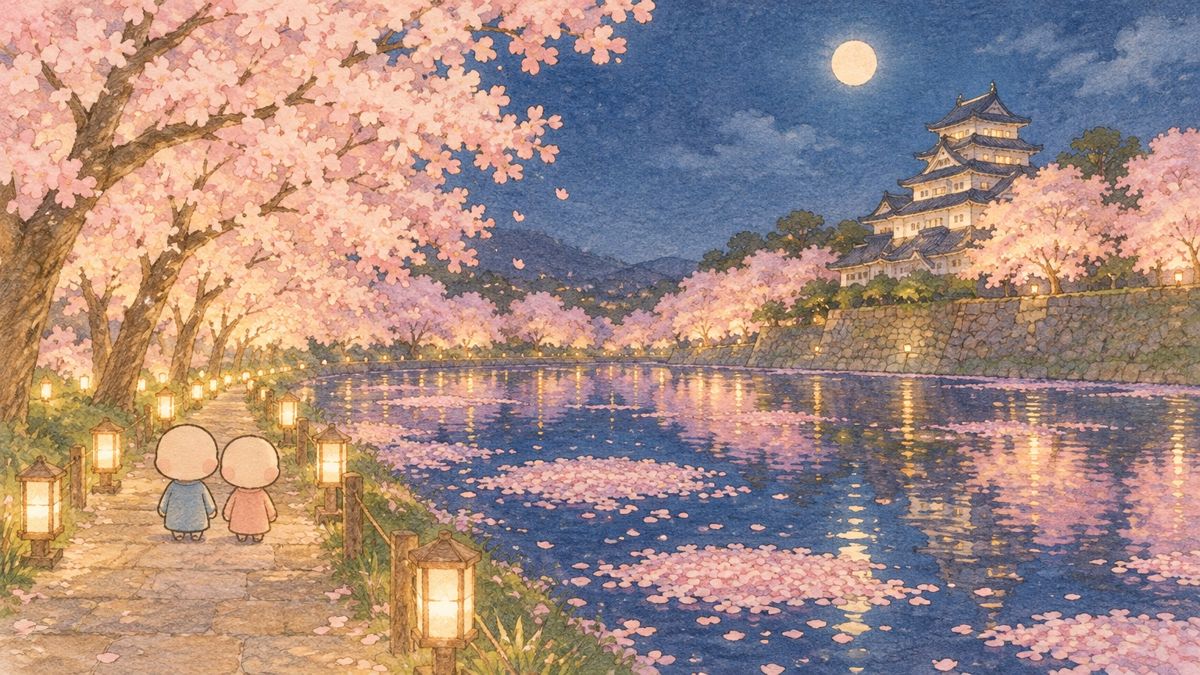
Night cherry blossoms (Hirosaki Cherry Blossom Festival)
The lit-up cherry trees at night have a different charm from daytime, and the tunnel of cherry trees along the west moat is especially striking.
A guide for visitors to Hirosaki, with sights, ways to spend the evening and seasonal events. You cannot book or buy anything on this site.
Machine-translated. The Japanese version is authoritative.
Events in the city’s data that can be enjoyed at night.
The lit-up cherry trees at night have a different charm from daytime, and the tunnel of cherry trees along the west moat is especially striking.
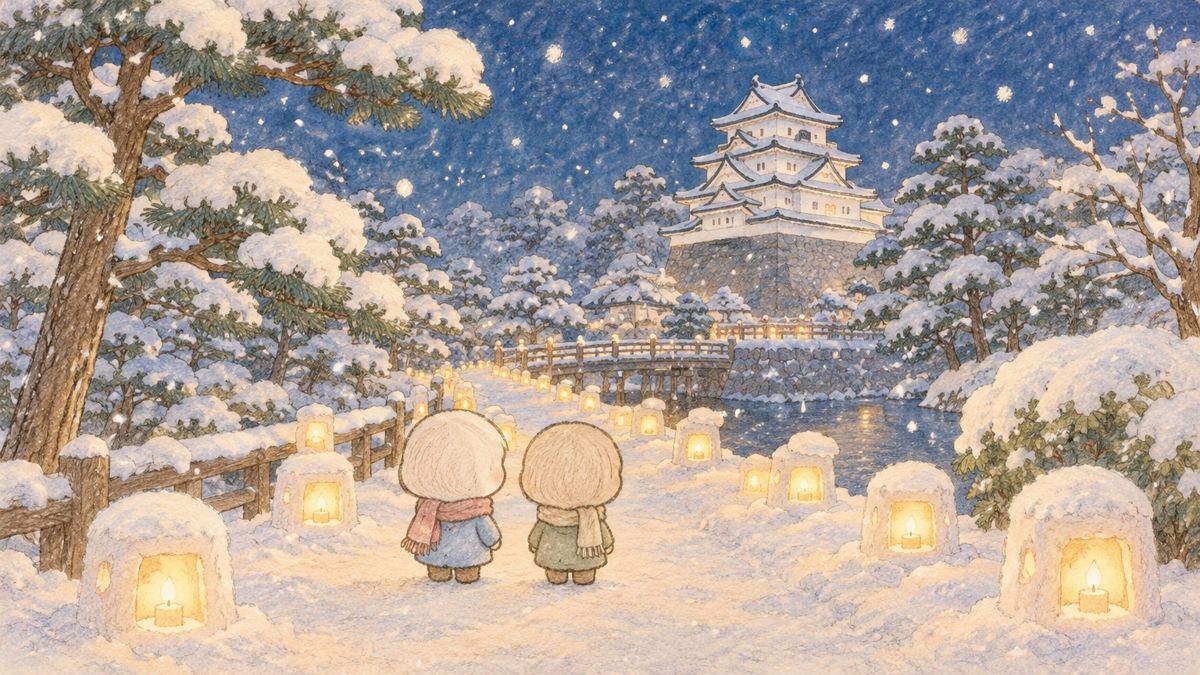
The snow-covered castle keep greets visitors against pure white snow and old pine trees, with lit snow lanterns and mini igloos lined up in a dreamlike scene.
In Hirosaki Park, the Kita-no-Kuruwa area is the main venue, and the grounds are decorated with candles.
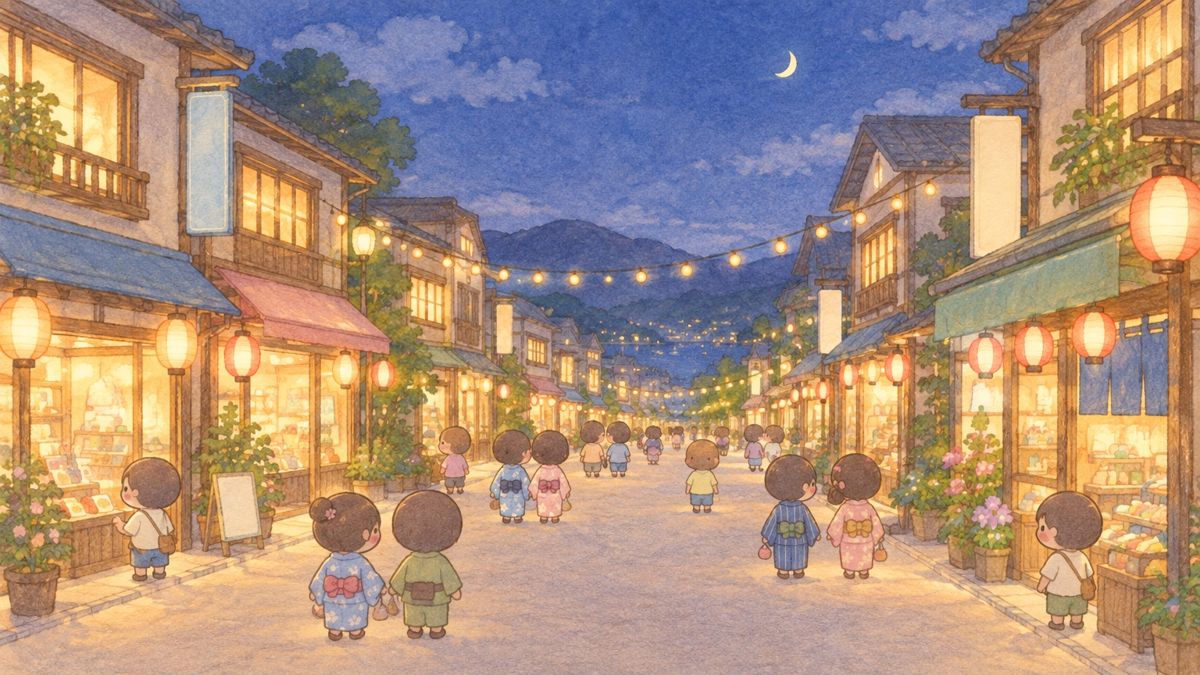
Western-style and Japanese-style buildings around Hirosaki Park are lit up, and the streets are decorated with illuminations.
Restaurants and bars will be added once they apply to be listed (see “For restaurants” below).
Restaurants are listed only after they apply. For now, here are local flavors from the city’s data.
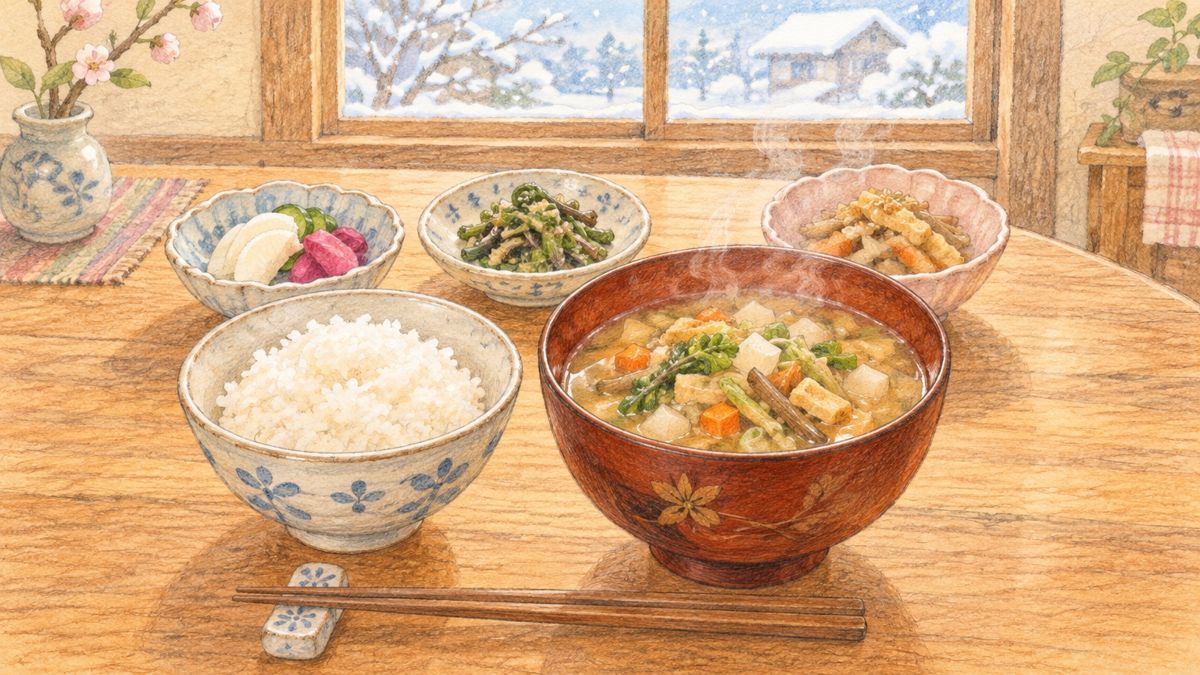

Illustrations (AI-generated). They do not show any specific restaurant or dish.
Winter cod innards and bones simmered in miso together with vegetables and tofu. A simple taste typical of northern country cooking, and a winter specialty.
A rice dish cooked with seven ingredients, including pheasant meat caught by hunters (matagi) long ago, maitake mushrooms and wild mountain vegetables.
The Hirosaki area is the home of Aomori apples, and many varieties come to market over a long period from August to about March.
Juice, jam and many Japanese and Western sweets are made from the local apples.
Places listed in Hirosaki City’s open data. Descriptions are the city’s original Japanese text.
Castle
弘前藩祖為信(1550~1607年)が築城を計画し、二代藩主信枚が慶長15年(1610年)縄張りをし、翌16年(1611年)にほぼ完成した海抜50mの平山城である。明治維新まで津軽家の居城であった。1871年廃城時の原形をとどめている貴重な城。現在は城跡に弘前公園ができ、一般公開されている。現在、6つの郭の全域が国指定史跡に、また、天守閣、二の丸の東門・南門・辰巳槽・未申櫓・丑寅櫓、三の丸の追手門・東門、北の郭の北門(亀甲門)が国の重要文化財に指定されている。
Park
城跡を公園として開放したもので、約2,600本の桜が植えられており、花の名所として有名。
Plants
弘前公園内には約50種・約2,600本の桜と城と岩木山が調和を見せる。
Plants
約1000本の楓の紅葉を楽しめる。同時期に弘前城植物園では「弘前城菊と紅葉まつり」が開催される。
Park
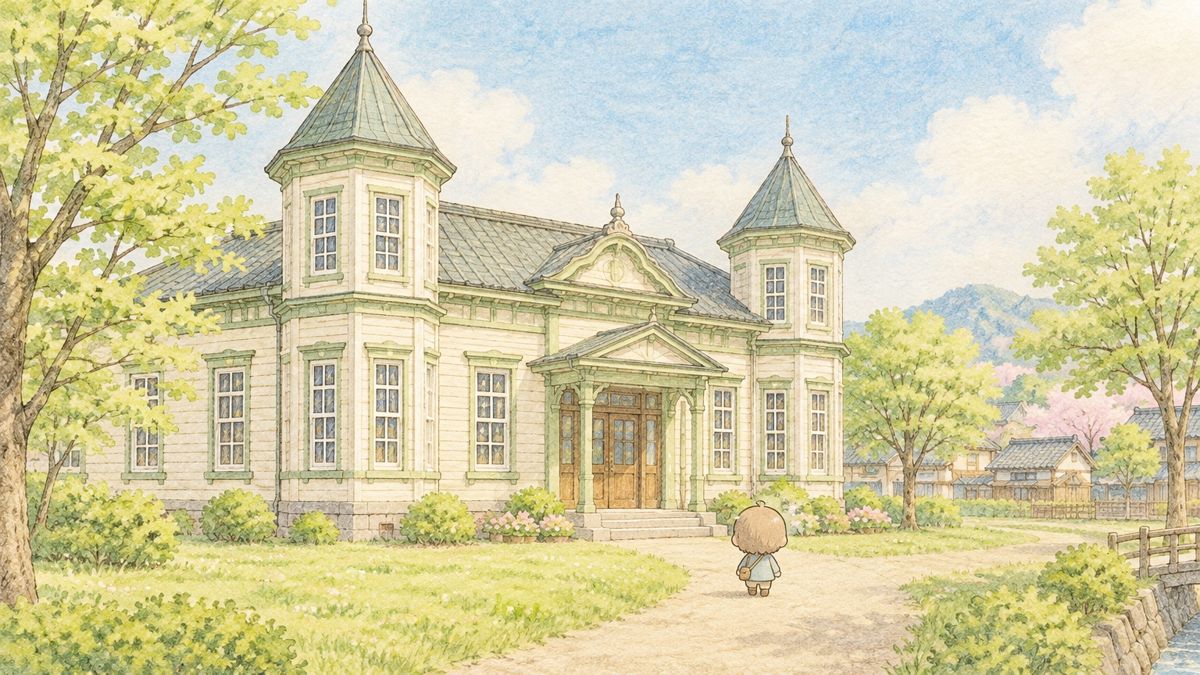
市立観光館や郷土文学館、旧市立図書館、旧東奥義塾外人教師館、山車展示館などがある弘前観光の拠点。
Botanical garden
弘前公園三の丸の一部7.65haを都市緑化植物園として造成したもの。園内には、約1,500種の樹木や草木が用途別に植栽されている。見どころとしては、文化7年、江戸から庭師を招き築庭したと言われる「三の丸庭園」、津軽地方の独特な築庭法を伝える「大石武学流庭園」、世界各地のハスやハナショウブ等を集めた「湿性植物園」、広々とした芝生の周りの「梅園」、季節の移り変わりを感じ取れる「花ごよみの径」、万葉集に詠まれた植物を集めた「万葉植物園」など。
Historic district
藩政時代の弘前城下は、上町・仲町・下町の3区域に分けられていた。城の東南部を指す上町は上級武士の町。下町は城の西部一帯、岩木川までを指し、比較的下級の武士たちが住んでいた。若党町を中心とする仲町は御家中屋敷と呼ばれ、住居構えに武家屋敷としての街並が色濃く残されているため、昭和53年に国の重要伝統的建造物群保存地区に選定された。県重宝の旧伊東家と旧梅田家、県重宝の旧岩田家、そして市有形文化財の旧笹森家が一般に無料公開されている。
Historic district
全国でも珍しい禅宗(曹洞宗)の寺院33ヶ寺が集合している地域で、一般に禅林街として知られている。長勝寺は1528年、種里(西郡鯵ヶ沢)に創建され、その後二代藩主信枚が弘前城築城とともに1610年現在地に移建した。そのとき領内の主だった寺院をこの寺域に集め、城の南城の要とするとともに領内の宗教文化の統一をはかったものである。なお長勝寺には本堂のほか寛永6年(1629年)信枚が建立した三門、津軽家霊廟や御影堂などがある。
Historic building
弘前城跡の北側、弘前城亀甲門向かいに面して残る古い商家で、江戸中期のものと推定される。石場家は津軽藩出入りの商家で、主としてわら工品を扱ったが、後に米や肥料などの小売りもしたという。津軽地方の数少ない商家の遺構として貴重なものである。
Historic building
津軽藩の藩医の住宅。19世紀初頭の建築と考えられ、昭和50年代に市内元長町から同地へ移築された。県重宝。
Historic building
江戸中期の武家住宅。伝統的建造物群保存地内の武家屋敷として一般公開。県重宝。
Garden
大正8年に造られた庭園を市制百周年を期に再現。高台は岩木山を眺望できる借景式庭園、低地部は花菖蒲が綺麗な地泉廻遊式庭園。
Garden
盛美園の造園者小幡亭樹の作。
Garden
大石武学流とよばれる津軽独特の作庭様式。
Other sight
幕末に12~13カ所あった湧水は、以後生活用水として使われてきたが、水量の減少で現在は2カ所だけ。紙漉町郵便局隣の湧水と向かいの稲荷神社前の御膳水が有名。いずれも水槽が4つに仕切られ、水の流れる順に飲用、米磨ぎ、食器洗い、洗濯と使い方のルールが決まっている。水量が多く無色無臭の軟水。日本名水百選に選ばれている。
Other sight
中別所には石仏と公卿塚という2つの板碑群があり、石仏の中にこの碑があります。
Shrine or temple
津軽家累代の菩提寺。本堂・庫裏・三門・御影堂・津軽家霊屋五棟は国重要文化財。
Shrine or temple
長勝寺境内にある津軽家藩主と正室の霊屋。
Shrine or temple
最勝院の五重塔は、五重塔の少ない東北地方として極めて大切な遺構です。
Shrine or temple
江戸中期頃に建てられた山門(鶴亀門)は、日本に1つだけの、こけら葺き重層四脚門。
Historic building
高さ約7m・重層4脚門で切妻造りの珍しい山門であり、二重屋根の構造を4脚柱で支える京都誓願寺の門を模して造られたと伝えられる。国指定重要文化財。
Shrine or temple
津軽家初代藩主為信の菩提寺として知られる、革秀寺の津軽為信霊屋。入母屋造りで正面に軒唐破風をつけ、屋根はこけら葦。内部は壁に板卒塔婆が張り巡らされています。本堂は全国でも珍しい簡素な萱葺きの方丈形式で、津軽為信の豪華な霊廟とともに国重要文化財。
Shrine or temple
久渡寺観音とも呼ばれる。毎年5月中旬オシラ講が開かれイタコも集まる。
Shrine or temple
弘前藩の総領鎮守の社。三間社流造の本殿と唐門は桃山風で華麗。国重要文化財。
Shrine or temple
本殿は三間社流造柿葺。
Shrine or temple
古くからこの地方の厚い信仰を受け、杉木立と建物の調和が美しい。安寿姫と厨子王の霊も祀られている。岩木山神社の本殿、拝殿、楼門、奥門、瑞垣、中門は国の重要文化財に指定されている。
Shrine or temple
高照神社の本殿、拝殿、幣殿等8棟2基は国重要文化財。国宝の太刀・津軽家の宝物も陳列。
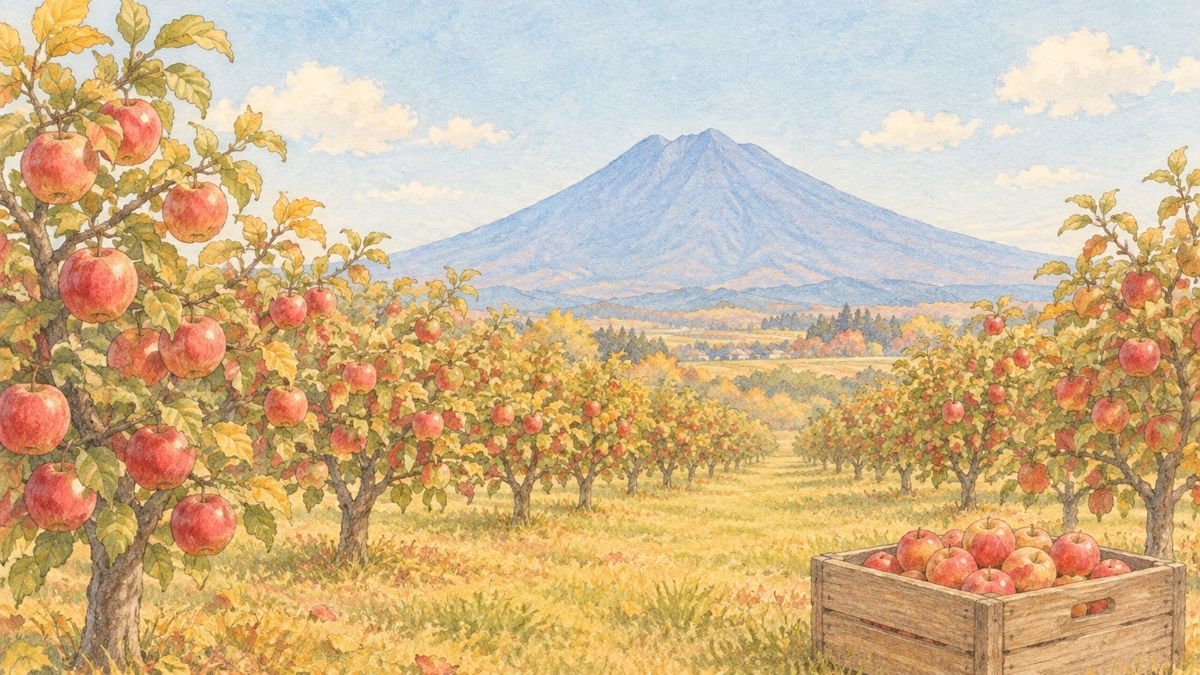
Mountain
昭和50年には津軽の名山として津軽国定公園に指定された。なお、古来より信仰の山として知られている。
Highland
岩木山神社を擁し、百沢温泉を中心にスキ-場を持つ。
Plants
弘前市内から岩木山の麓まで延々20kmアップルロードと呼ばれるリンゴの花で有名な道路がある。40万本のリンゴの木が可憐な白い花をいっせいに咲かせると、街全体がリンゴの甘い香りに包まれたようでメルヘンチックな気分になる。
Plants
サクラソウ科の高山植物でハクサンコザクラの一変種。岩木山特有の高原植物で、別名「イワキコザクラ」とも呼ばれる。岩木山にまつわる「安寿と厨子王伝説」にも由来している、ロマンの香り漂う伝説の花。登山者の多い南面ではほとんど見られず、大きな群落は北、又は南斜面に限られる。
Sports and leisure facility
テニスコート、岩木山球場、多目的グラウンド、野外ステージ等があり、駐車場は大型車10台、普通車350台収容できる。
Cable car / ropeway
8合目から9合目まではリフトでゆっくりと景観を楽しむことができる。
Hot spring
百沢温泉の南、歩いて20分のところにある一軒宿の湯治場。周囲は一面がリンゴ畑で、いかにも津軽の温泉らしい。ここから見る岩木山の眺めは何ともいえない。岩木山麓では最も古い湯で、150年の歴史をもっている。百沢と同じく、岩木山表登山口の基地で、冬は岩木山スキー場でのスキーが楽しみ。
Hot spring
古くから津軽の人々の信仰を集め、神の山と呼ばれる岩木山のふもと、岩木山神社の門前にある湯治場。岩木山神社は“奥の日光”とも呼ばれる観光名所で、国の重要文化財でもある。百沢温泉からはスキー場が近く、スキー客や岩木山登山で賑わうほか、岩木山は山の幸に恵まれていることから春の山菜・秋のキノコ採りの人々にも利用されている。
Hot spring
古くから湯治場として親しまれてきた、山麓の森に抱かれた温泉郷。散策に絶好の黒滝渓流に近い。宿の規模はいずれも小さいが、旅行宿泊・日帰り入浴もできる。
Hot spring
標高450mの高原にあり、岩木山を間近に仰ぐことができる。古くからの湯治温泉で現在も湯治客が多いが、岩木山嶽登山道の入口にあたるため、ハイカーの姿もみられる。また、温泉の東側には岩木高原が広がり、牧歌的な雰囲気をかもし出している。
Park
りんごについて学べるコーナーやりんごグッズ販売・喫茶コーナーのある「りんごの家」のほか、りんご生産体験園・ふれあい広場・すり鉢山・旧農家住宅などがある。
Recreation area
ピクニック広場・オートキャンプ場・フィールドアスレチック・小動物園
Recreation area
施設 キャンプ場・スキー場・ビジターセンター
Recreation area
東屋2棟、広場2ヶ所,駐車場有り。大岩壁のある渓谷でハイキングコースとなっており、弘前市民の森がある。
Recreation area
料金は無料。
Visitor facility
気軽に楽しめる嶽温泉を源泉とした足湯があります。
Museum
津軽地方の文化遺産などを展示している。弘前城跡の公園内にあり、あたりは史跡も豊富で、花やもみじの名所でもある。
Museum
観光に関する総合案内のインフォメーションカウンターがあり、ホテル旅館の空室情報も案内している。また、館内には津軽の民工芸品の展示・大型ねぷたの展示などがあり、更に物産販売コーナー・レストランがある。
Museum
高さ10m・幅8mの超大型ねぷたをはじめ大中小20台のねぷた、江戸時代の燈ろう型ねぷたなどを展示。ほかに、木地玩具・こけし・津軽凧の展示館も付設され、金魚ねぷた・津軽こけし・津軽凧の絵付けや津軽焼・あけびづる細工・こぎん刺しの制作も体験できる。そのほか、津軽三味線の生演奏を聴くこともできる。
Museum
観光館と同じ敷地内の郷土文学館は、葛西善蔵・太宰治・石坂洋次郎など郷土出身の作家とその作品を広く紹介している。
Museum
りんご釉、色絵、金襴手、掻き落し、粉引、陶板など人間国宝「加藤士師萌(はじめ)」を師に持ち東北の最も優れた陶芸家の一人である旧岩木町出身の『鳴海要』の多彩な技法の中に郷土の素材を取り込んだ作品が見られます。
Descriptions are the city’s data as published (statements about dates and contact details are omitted). Please check the official site for current opening days and fees.
Dates and places can change from year to year. Please check each event’s official information before you go.
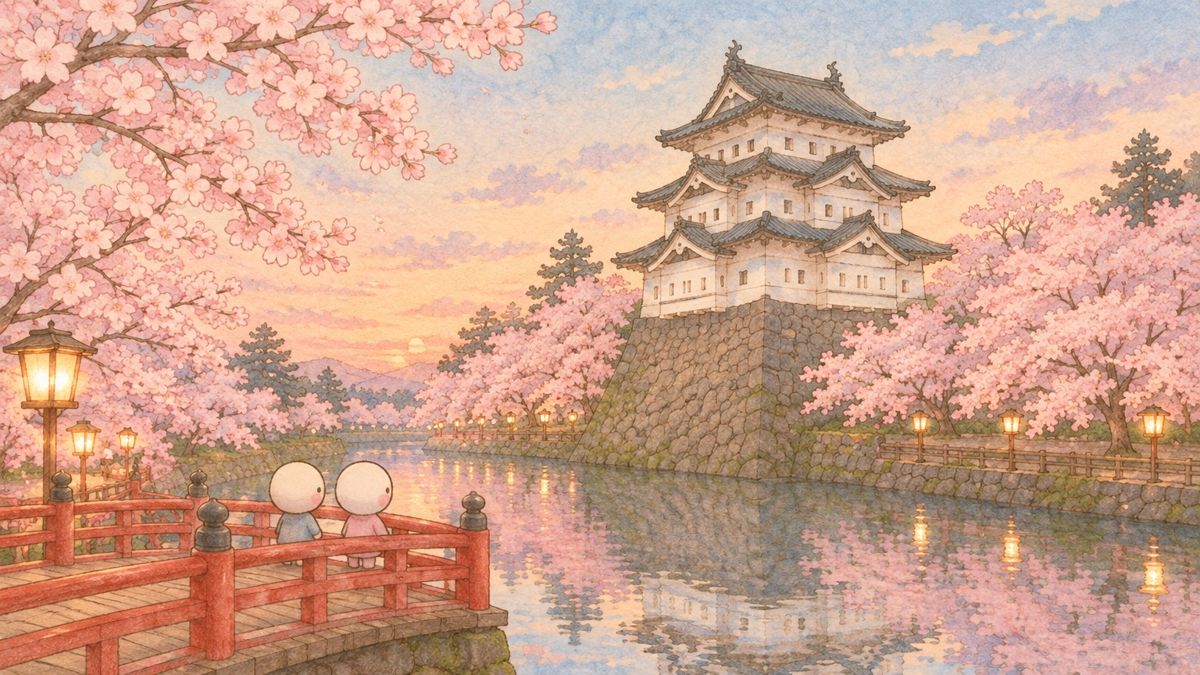
Hirosaki Park is filled with about 2,600 cherry trees of about 50 kinds, mainly Somei-Yoshino. The lit-up cherry trees at night have a different charm from daytime, and the tunnel of cherry trees along the west moat is especially striking. Local performing arts such as Tsugaru folk songs and Tsugaru shamisen are also presented during the festival.
A festival for the blossoms of Hirosaki’s apples, grown in the largest quantity in Japan. After the cherry blossoms, how about apple-blossom viewing? There are also Tsugaru shamisen performances and demonstration sales of a giant apple pie.
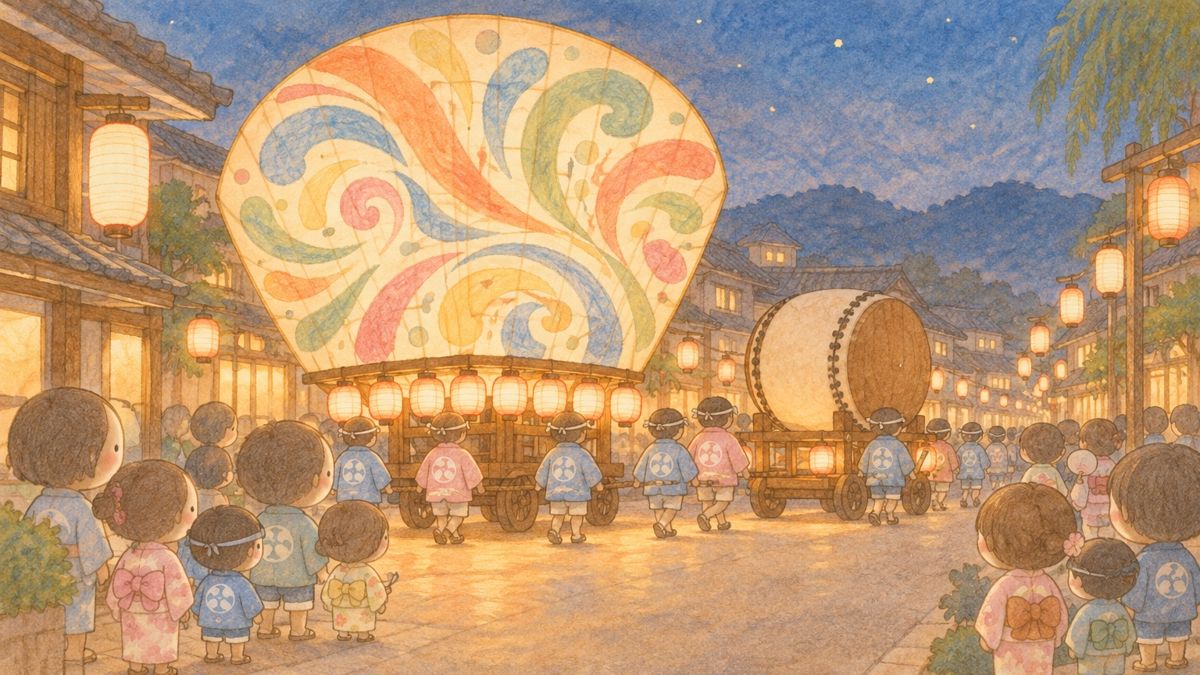
Children’s neputa and front lanterns, fan-shaped neputa with contrasting paintings on front and back, and magnificent assembled neputa are paraded by local people to the sorrowful sound of flutes and drums and the shout “Yaa-yaa-dō.” On the last day the parade runs only in the morning.
The main venue is the Hirosaki Castle Botanical Garden, where you can enjoy autumn flowers as well as chrysanthemums. Chrysanthemum dolls and chrysanthemums in many forms are on show. About 2,600 cherry trees in Hirosaki Park also turn vivid colors, and together with the red maples the park is filled with autumn.
The snow-covered castle keep greets visitors against pure white snow and old pine trees, with lit snow lanterns and mini igloos lined up in a dreamlike scene. The roughly 50-meter “Tsugaru Nishiki-e Grand Corridor,” decorated with warrior paintings used in the Hirosaki Neputa Festival, is also on show. Large snow sculptures make it enjoyable for both adults and children.
In Hirosaki Park, the Kita-no-Kuruwa area is the main venue, and the grounds are decorated with candles.
Western-style and Japanese-style buildings around Hirosaki Park are lit up, and the streets are decorated with illuminations.
On the first day of the eighth month of the old calendar, people climb Mt. Iwaki in groups to pray for a good harvest and family safety. Worshippers in white gather at the shrine to the accompaniment of mountain-climbing music, climb at midnight and greet the sunrise. The custom hands down the old faith in Mt. Iwaki and was designated a National Important Intangible Folk Cultural Property in 1984.
For restaurants and bars in Hirosaki. Listing on Kanko Mado is free. We list the name, location and opening hours only when the restaurant applies.
If we ever start paid listings, those restaurants will carry a “PR” label. The order is not changed by whether a listing is PR.
No restaurants are listed yet.
Kanko Mado on Instagram and Threads. See new posts in each app.
Instagram(external site, opens in a new tab) Threads(external site, opens in a new tab) YouTube(external site, opens in a new tab)